What Is a Mortise Lock and Why Clifton Homes Have So Many of Them
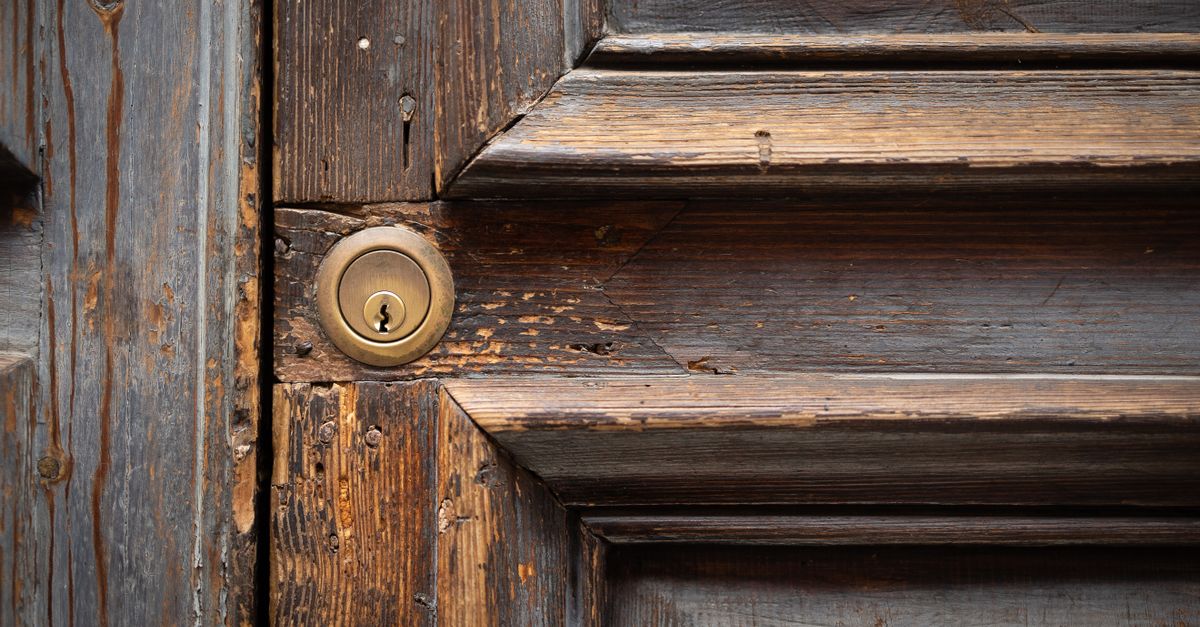
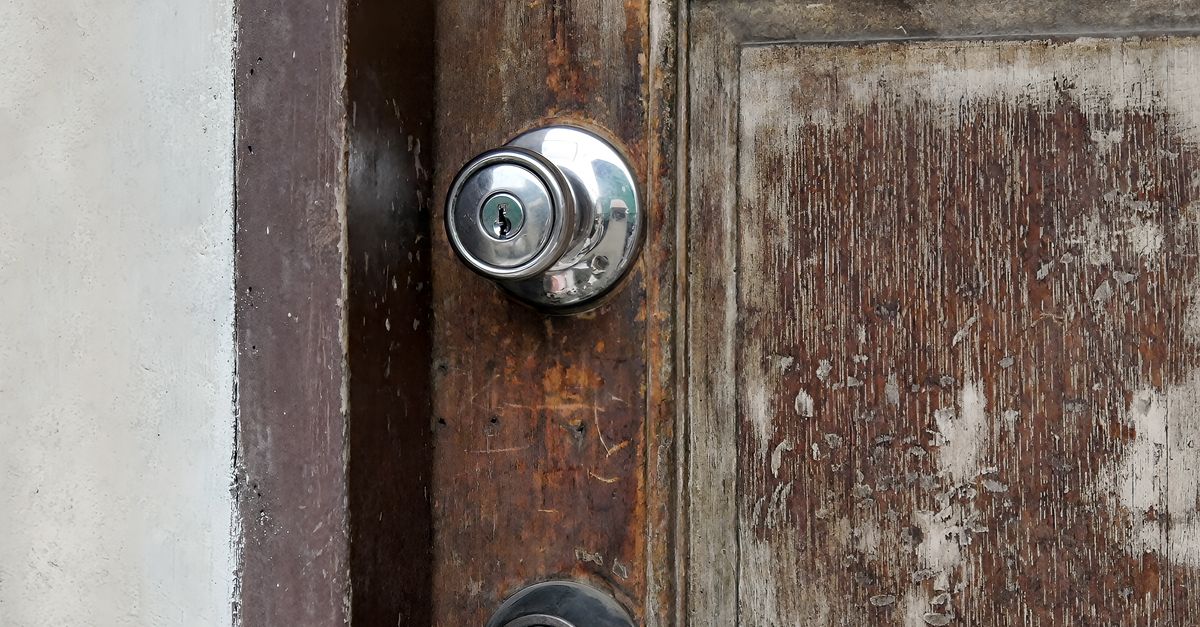
A mortise lock is a lock mechanism that fits inside a precisely routed pocket — the mortise — cut into the edge of a door, rather than sitting on the surface the way a cylindrical knob or lever set does. The body of the lock houses the latch bolt, dead bolt, strike mechanism, and often the spindle for the door knob or lever handle, all within a single rectangular steel or brass case. Because of this consolidated design, a mortise lock set provides significantly more resistance to kick-in and pry attacks than a standard door knob lock, which is one reason builders specified them so heavily from the 1890s through the mid-1970s. Clifton was developed aggressively during that exact window — the city's population peaked in the 1960s and thousands of the single-family and two-family homes built during that era still stand today, many with their original hardware intact.
Common brands you will encounter in Clifton's housing stock include Corbin Russwin mortise locks, which were manufactured in Connecticut and distributed widely across the Northeast, as well as Sargent, Schlage, and Baldwin mortise lock units on higher-end properties. Each manufacturer uses slightly different keyways, cam profiles, and case dimensions, which means parts are not universally interchangeable. That is precisely why a trained locksmith — not a general handyman — should be the first call when one of these locks starts misbehaving. Our technicians carry an inventory of cylinders, cases, trim hardware, and strike plates sized for the most common legacy formats found in this region, so most repairs and replacements are completed in a single visit.