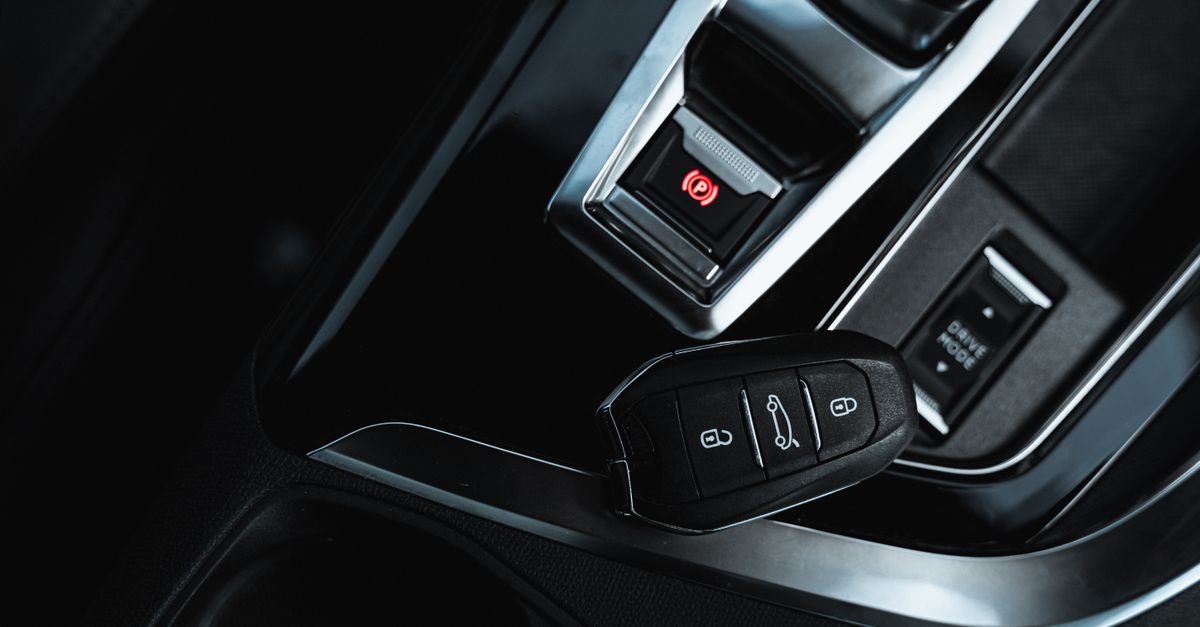
Ford Car Key Replacement: What Makes Ford Keys Different From Other Brands
Ford introduced its Passive Anti-Theft System — commonly called PATS — in the mid-1990s, and it has evolved through several generations since. A standard-looking metal key blade can contain a glass transponder chip in the bow that must be programmed to your vehicle's powertrain control module before the engine will start. Cut the blade without programming the chip and the immobilizer triggers, leaving the car running only for a few seconds before it kills the fuel. This is why ordering a key online and having it cut at a hardware kiosk rarely works for Ford transponder keys — the chip remains blank and unprogrammed. Our technicians carry the professional-grade diagnostic and programming equipment required to read your Ford's immobilizer code and write the correct transponder data to the new key on the spot, with no tow truck and no dealership appointment needed.
Ford's more recent lineup — including the Explorer, Edge, Expedition, and current Ranger — uses proximity smart keys and push-button start systems that are a step beyond traditional transponders. These key fobs must be paired to the body control module using specific Ford protocols, and the process differs between model years and trim levels. We stay current on these specifications so that whether you drive a mid-2000s F-150 with a 40-bit PATS chip or a late-model Expedition with a proximity fob, our team can produce a fully functional replacement key without guesswork.